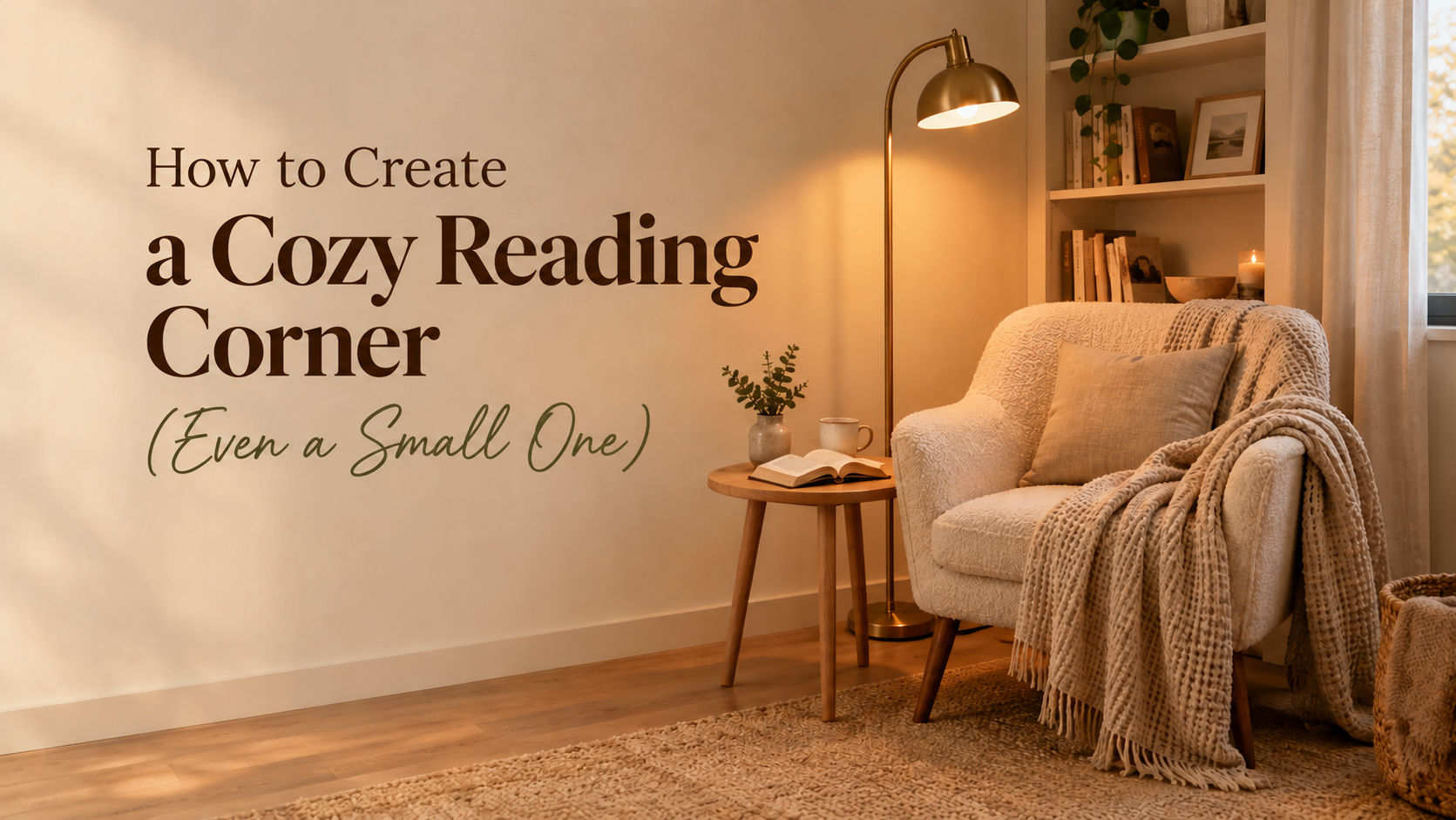
A reading corner doesn't need its own room, a bay window, or a built-in bench. Most reading nooks that actually get used are just a single corner set up correctly and most reading nooks that don't get used are missing one of a handful of basic ingredients, not square footage.
Here's what a reading corner actually needs, and how to make it work even if all you have is a leftover corner of a bedroom or living room.
The 4 Things Every Reading Corner Actually Needs
Before picking a spot, it helps to know what you're building toward. Every reading corner that feels good to sit in regardless of size or style has these four things:
- A seat you'd actually choose over the couch: It doesn't need to be large. It needs to be comfortable enough that you'd pick it on purpose, not just when the couch is taken.
- Light aimed at the page, not the room: Overhead room lighting isn't enough on its own you need a source close enough and angled correctly to light a book without glare or shadow.
- A landing surface within arm's reach: A small table, a wide windowsill, or even a floating shelf somewhere to set down a drink, your glasses, or the book itself without getting up.
- One layer of softness: A throw blanket, a cushion, or a small rug. This is what tips a corner from "a chair that happens to be there" into a spot that feels intentional.
Miss any one of these and the corner tends to go unused usually because it's just slightly uncomfortable in a way that's hard to name.
Choosing the Spot
You're looking for three things: enough space for one chair (that's genuinely all you need), a wall or corner to anchor it against so it doesn't feel like it's floating in the middle of the room, and ideally though not essentially some natural daylight nearby.
Good options in most homes: an underused bedroom corner, the end of a hallway, a gap beside a bookshelf, or a blank stretch of wall in a living room that currently holds nothing. You're not looking for a dedicated room. You're looking for four square feet that isn't doing anything else right now.
Get the Lighting Right First
This is the step most reading corners get wrong, and it's the one that matters most. A single overhead room light isn't enough to read by comfortably it's too far away and too diffuse, which leads to eye strain even in a room that looks well-lit.
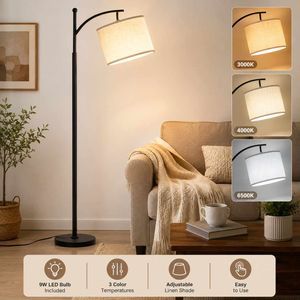
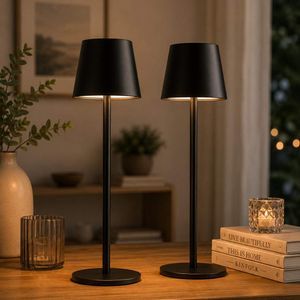
What actually works is a dedicated task light positioned close to shoulder height when seated: a floor lamp beside the chair, a wall-mounted sconce with an adjustable arm, or a table lamp on the landing surface next to you. Keep the bulb on the warmer side (see our full Lighting Guide for exactly what to look for) so the corner feels relaxing rather than clinical, even though it's brighter than the rest of the room in that one spot.
Making It Work in a Small Space
A reading corner in a small room needs to do double duty it can't compete with the room's main function. A few adjustments make that easy:
- Swap a side table for a floating shelf: It holds the same book-and-mug essentials without eating floor space, and it can double as a spot for a small plant or a stack of books when not in use for tea.
- Choose a chair with legs, not a bulky base: The same principle that makes any small room feel bigger applies here visible floor beneath the chair keeps the corner from feeling boxed in.
- Skip the separate reading light if space is tight: Use a wall-mounted sconce instead of a floor lamp it lights the same spot without taking up any footprint at all.
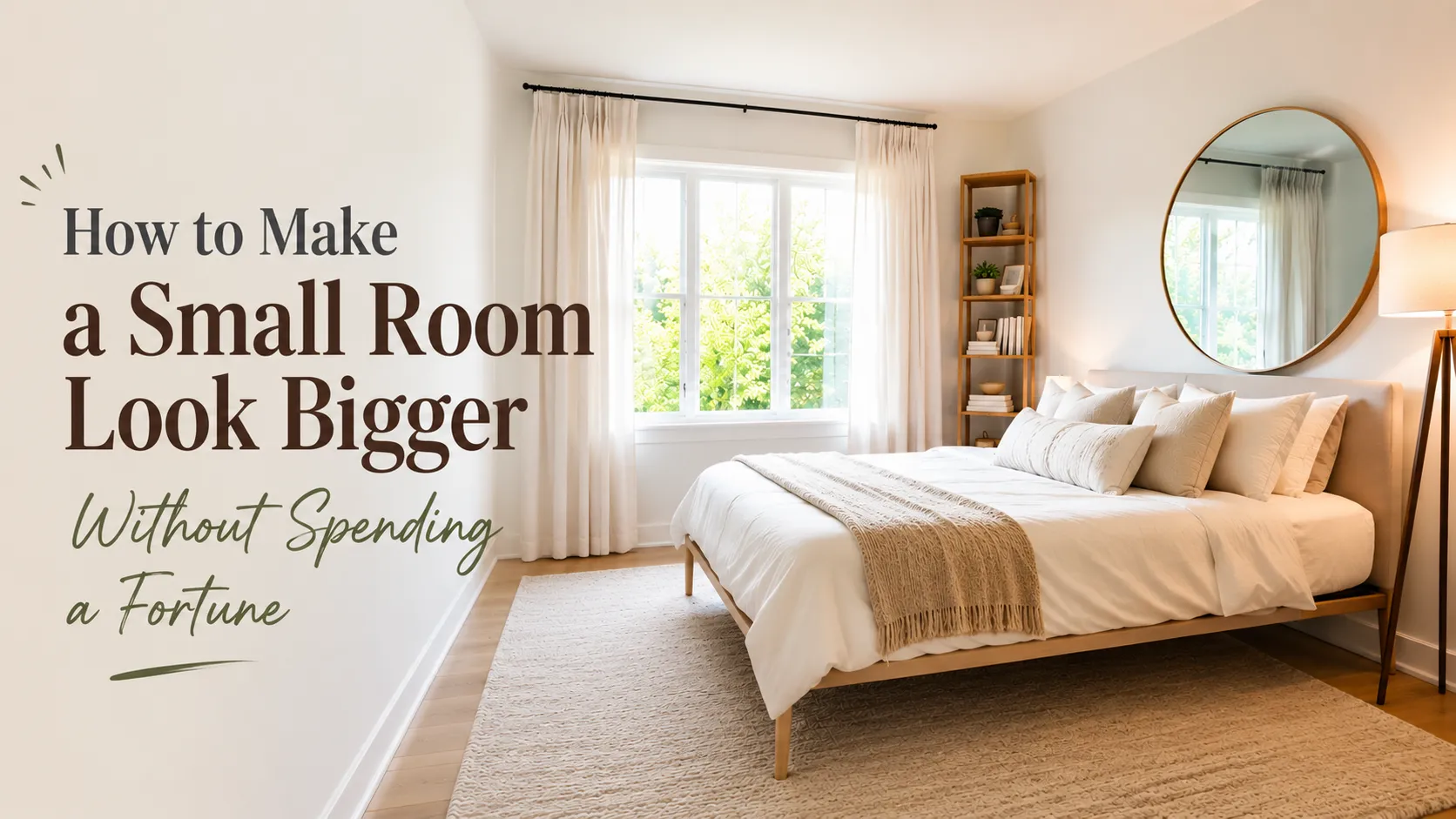
If the room this corner sits in feels cramped overall, our guide on making a small room look bigger without spending a fortune covers the broader fixes that make a reading corner feel like it belongs, instead of feeling squeezed in as an afterthought.
Add the Personal Layer
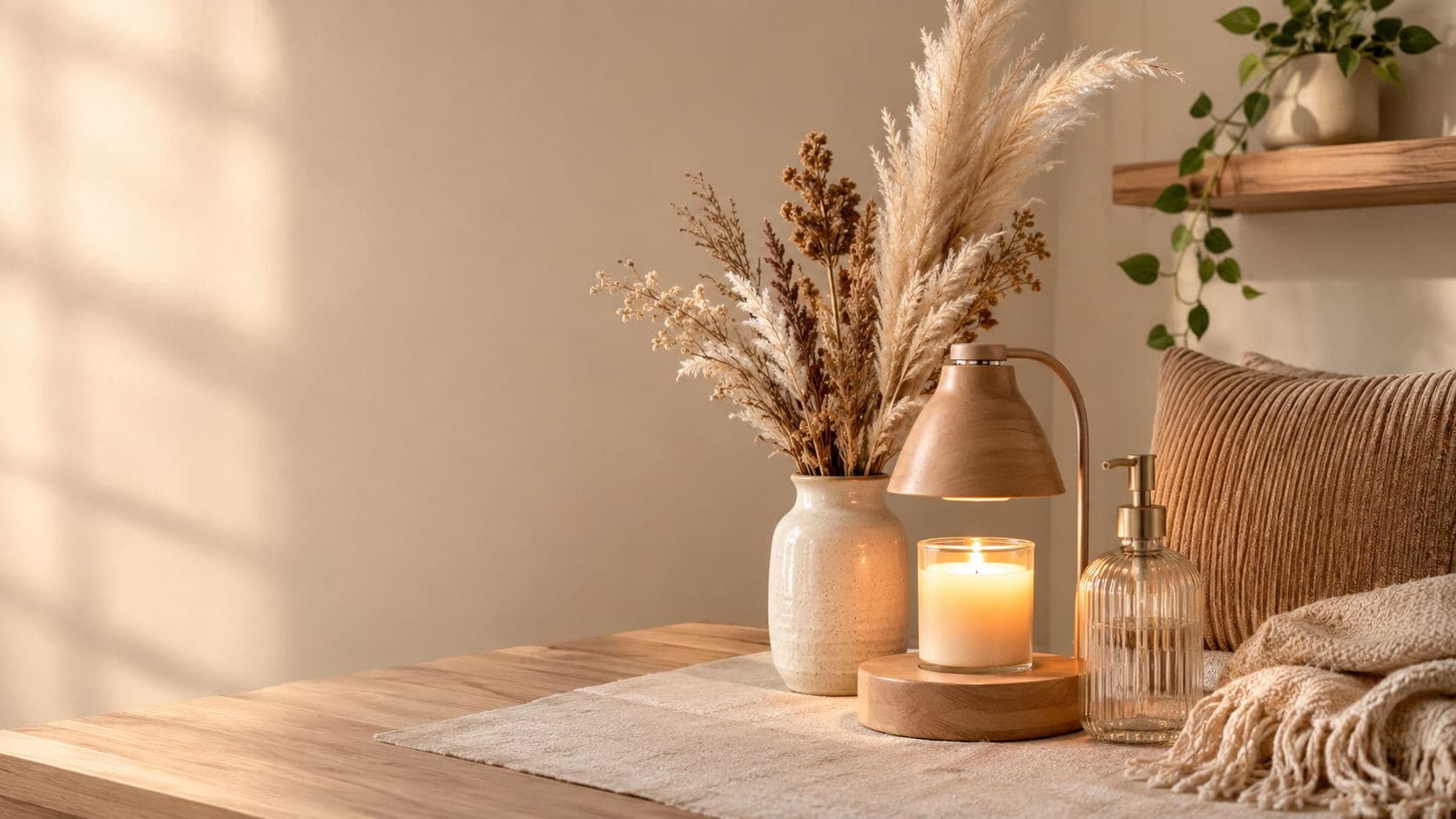
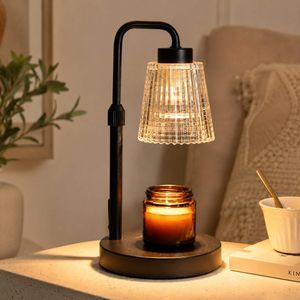
Once the four essentials are in place, the last step is making the corner feel like yours specifically, not a generic showroom setup. A textured throw pillow, a warm-toned accent lamp, or a small stack of books you're actually planning to read all do more work here than an expensive statement piece would. A few budget-friendly options that fit this exact use a texturized throw pillow cover, a flame-free candle warmer lamp are covered in our 5 Essential Economy Home Decor Finds roundup.
If you're wondering which textures and furniture styles best fit your overall room aesthetic, our 9 Home Decor Styles guide breaks down how to balance materials so your cozy corner looks completely cohesive.
Frequently Asked Questions
Do I need a whole corner or room for a reading nook?
No a single chair with the right lighting and a landing surface nearby is enough. The "corner" framing just helps anchor the setup against a wall so it feels intentional rather than like a chair placed randomly in open floor space.
What's the most common mistake people make with reading nooks?
Relying on the room's main overhead light instead of adding a dedicated task light close to the chair. It's the single biggest reason a reading spot looks nice in photos but doesn't actually get used for reading after dark.
Can I fit a reading corner in a small bedroom?
Yes a slim chair with visible legs, a wall-mounted light instead of a floor lamp, and a floating shelf instead of a side table are usually enough to fit a full reading setup into a corner as small as a few square feet.
Do I need a window for natural light?
It helps but isn't required. A good task light with a warm bulb solves the lighting problem on its own a window is a nice bonus for daytime reading, not a requirement for the corner to work.

.jpeg&w=3840&q=75)